






If you've been looking for ways to reduce unwanted noise, you may have come across Mass Loaded Vinyl (MLV).
But what exactly is MLV, and how does it help with soundproofing?
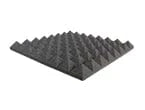
Unlike acoustic foam, which is mainly designed to absorb sound reflections and reduce echo, MLV is used as a dense sound barrier to help reduce sound transmission through walls, floors, ceilings, and doors.
Let's take a closer look.
What Is Mass Loaded Vinyl?
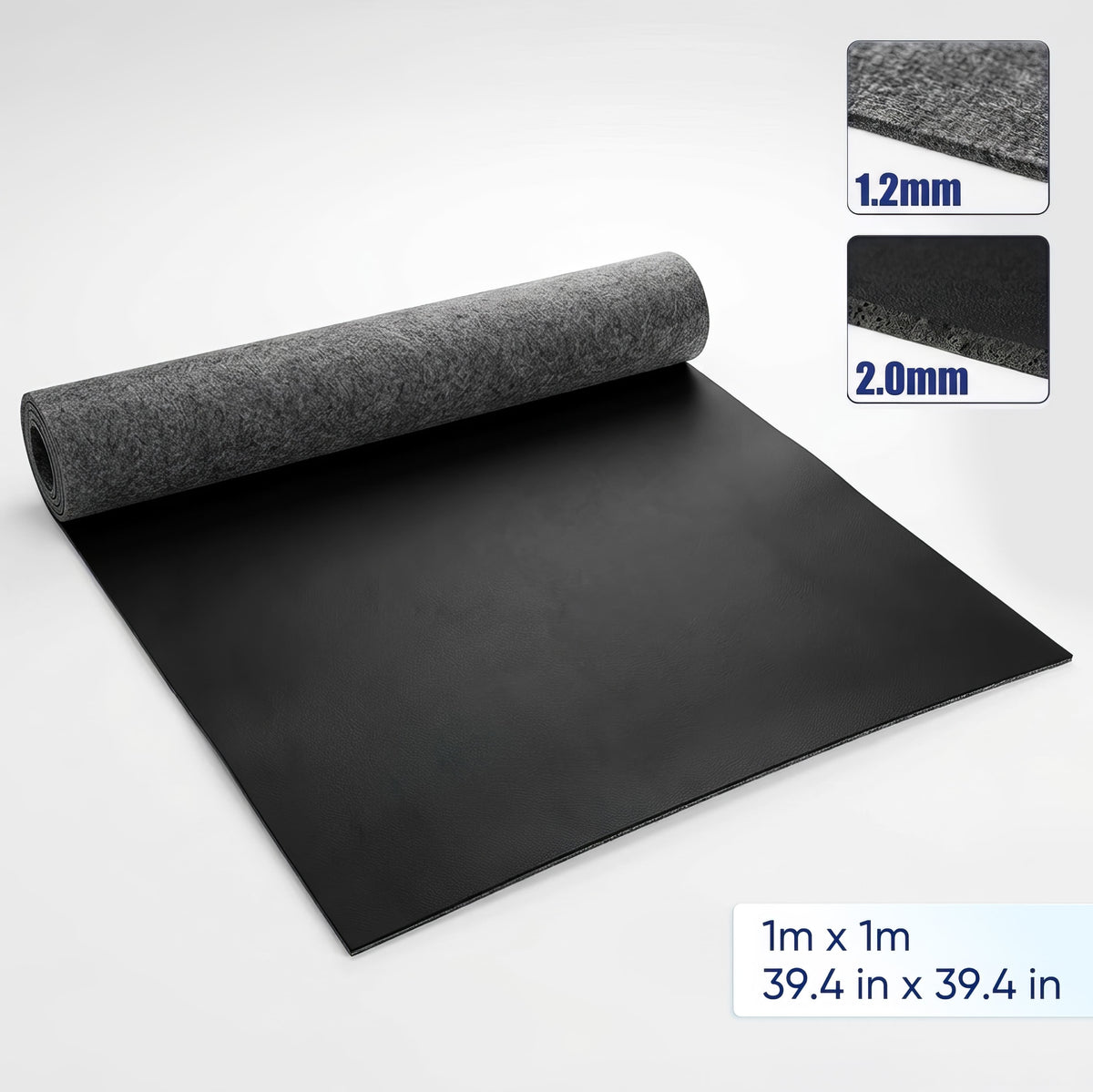
Mass Loaded Vinyl (MLV) is a dense, flexible material used as part of soundproofing assemblies.
Its main purpose is to add mass to a structure. Generally, adding mass to a building assembly can make it more resistant to airborne sound transmission.
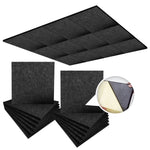
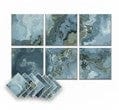
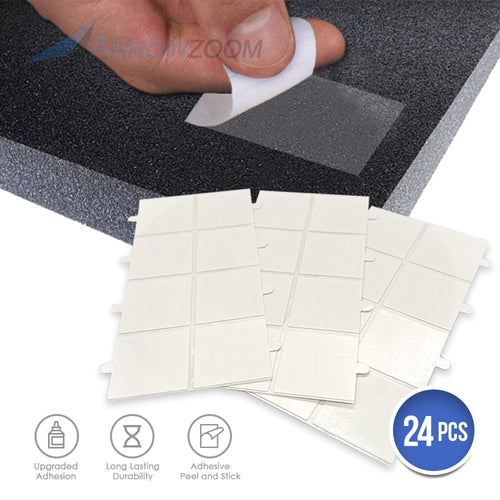
For example, Arrowzoom Mass Loaded Vinyl Soundproofing Tiles are designed for applications such as walls, floors, ceilings, and doors.
How Does MLV Work?
When sound reaches a wall or other structure, some of the sound energy can cause the structure to vibrate and transmit sound to the other side.
MLV adds a dense barrier layer to the assembly, helping reduce the amount of sound that passes through.
Think of it as:
Sound source → MLV barrier → Receiving space
However, MLV isn't a magic solution that completely blocks all sound. Its effectiveness depends on the entire construction, installation, seams, and other paths through which sound can travel.
Where Can You Use MLV?
MLV can be incorporated into several soundproofing applications.
Walls
MLV can be added to wall assemblies to help reduce airborne noise traveling between rooms.
It's particularly relevant for spaces next to:
- Noisy neighbors
- Home studios
- Gaming rooms
- Home offices
- Shared rooms
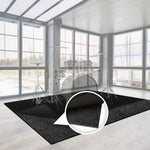
For larger surfaces, Arrowzoom Mass Loaded Vinyl Soundproofing Barrier provides a larger sheet format for soundproofing applications.
Ceilings & Floors
MLV can also be incorporated into ceiling and floor assemblies to help reduce airborne sound transmission between levels.
Keep in mind that impact noise, such as footsteps, can require a different combination of soundproofing materials.
Doors
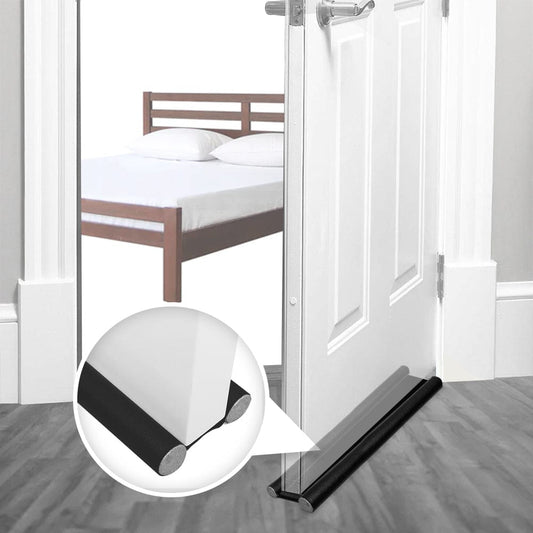
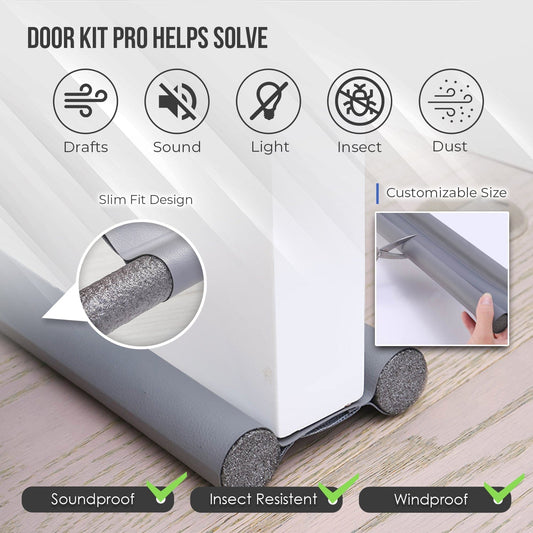
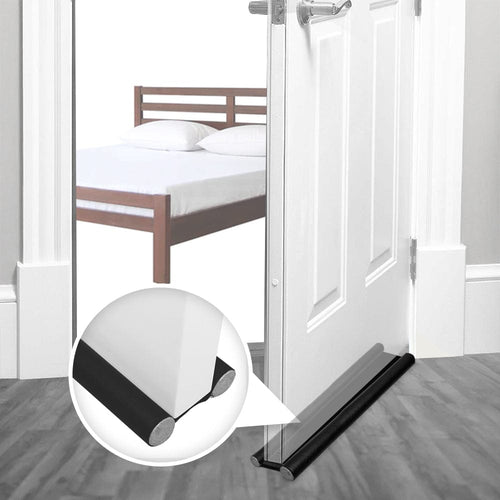
Doors can be a weak point in a soundproofing system, especially lightweight doors or doors with gaps.
Adding mass can help, but sealing the gaps around the door is also important. Sound can easily travel through openings around the frame or underneath the door.
MLV vs. Acoustic Foam
MLV and acoustic foam are often confused, but they serve different purposes.
| Material | Main Purpose |
|---|---|
| MLV | Helps reduce sound transmission |
| Acoustic Foam | Absorbs reflections and reduces echo |
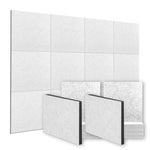
| Acoustic Panels | Controls reflections and reverberation |
| Door Seals | Helps close air gaps |
So if you're trying to stop sound from traveling through a wall, MLV may be part of the solution.
If your problem is echo inside the room, acoustic foam or panels may be more appropriate.
Does MLV Completely Block Sound?
No material should be treated as a guaranteed way to completely eliminate noise.
The final result depends on factors such as:
- Wall or ceiling construction
- Amount of mass added
- Installation quality
- Gaps and seams
- Other sound transmission paths
- Type and frequency of the noise
For effective soundproofing, MLV is often used as one part of a larger system that may also include insulation, damping, decoupling, and proper sealing.
Is MLV Right for Your Room?
MLV may be worth considering if you are trying to reduce airborne sound transmission through walls, floors, ceilings, or doors.
For echo and room reflections, acoustic panels or foam may be a better starting point.
The key is to identify where the sound is coming from and how it is traveling before choosing your materials.
Frequently Asked Questions
Is MLV better than acoustic foam?
Not necessarily. They serve different purposes. MLV helps with sound isolation, while acoustic foam primarily helps absorb reflections and reduce echo.
Can MLV soundproof a wall?
MLV can contribute to wall soundproofing, but its effectiveness depends on the complete wall assembly and installation.
Can MLV block bass?
MLV can help reduce sound transmission, but low-frequency noise can be more difficult to control and may require a more comprehensive soundproofing system.
Final Thoughts
Mass Loaded Vinyl works by adding dense mass to a soundproofing assembly, helping reduce airborne sound transmission.
It's not a standalone solution for every noise problem, but when used as part of a properly designed system, MLV can be a useful component for walls, floors, ceilings, and doors.
Ready to explore your options? Check out Arrowzoom Mass Loaded Vinyl Tiles or the larger MLV Soundproofing Barrier.