


Acoustic Treatment vs Soundproofing: What’s the Difference?

Acoustic Treatment vs Soundproofing: What’s the Difference?

Many people think acoustic treatment and soundproofing mean the same thing. They don’t.

Understanding the difference helps you choose the right solution for your home studio, gaming room, or office setup.

What Is Soundproofing?

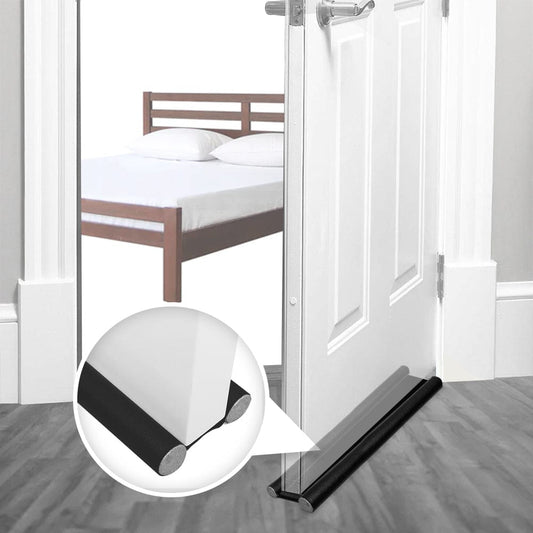
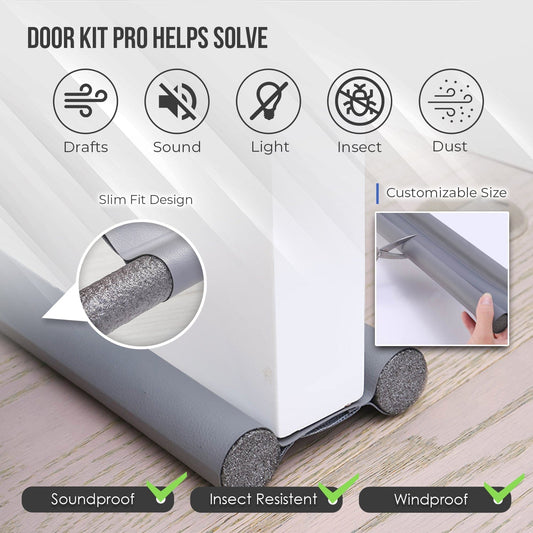
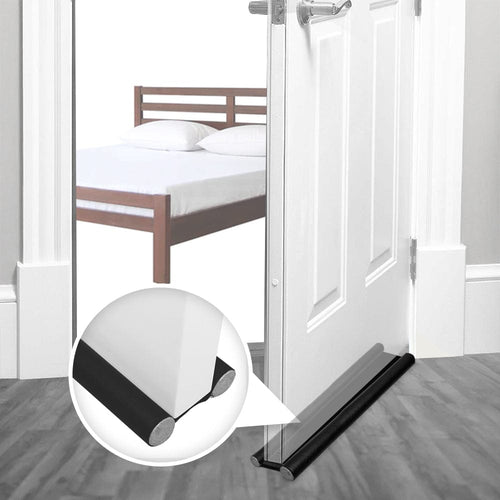
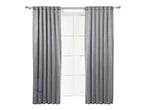
Arrowzoom Door Curtain Pro, Thick Industrial Soundproof,Waterproof for Indoor/Outdoor, Thermal Insulation - KK1455

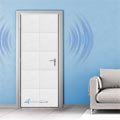
Soundproofing is about blocking sound from entering or leaving a room.

Its purpose is isolation.

You need soundproofing if you want to:

  • Reduce outside noise

  • Stop sound from disturbing neighbors

  • Keep conversations private

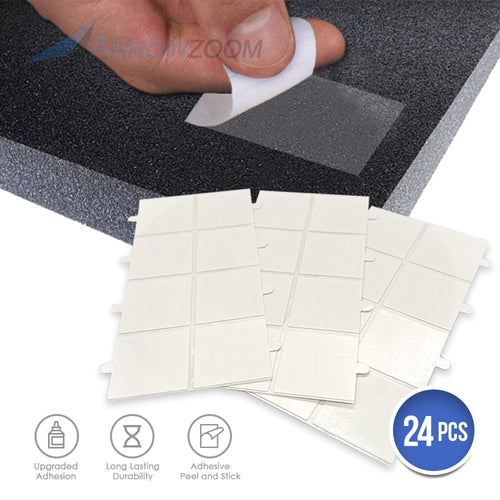
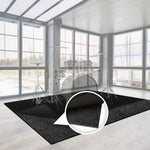
Effective soundproofing focuses on sealing gaps and adding dense materials. Solutions may include:

If noise is leaking through doors, windows, or walls, soundproofing is your priority.

What Is Acoustic Treatment?

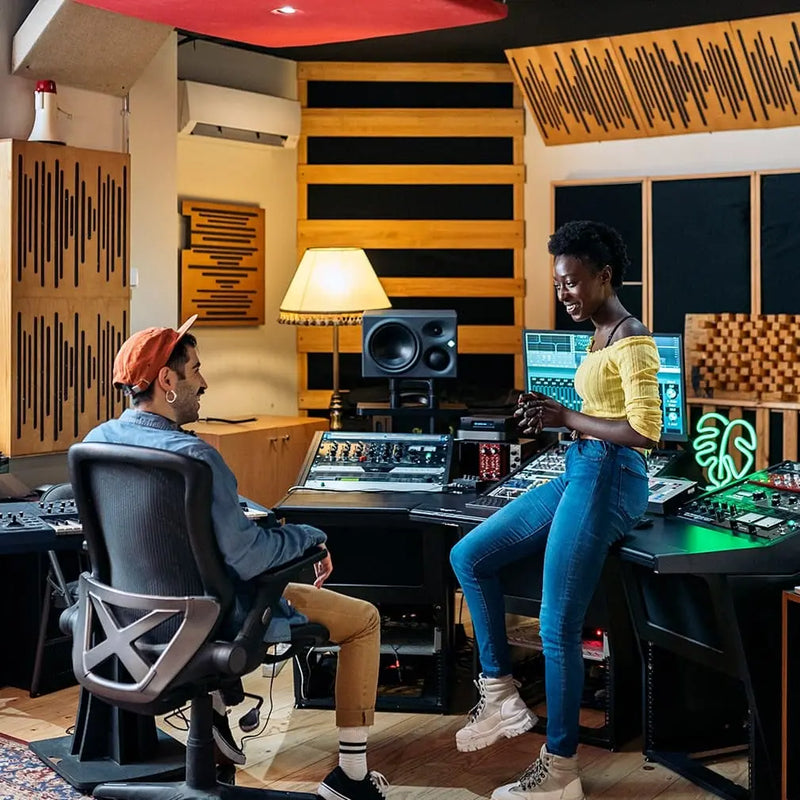
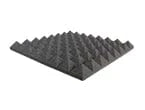
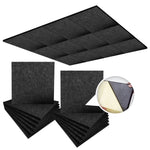
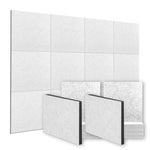
Arrowzoom Soundproof Panel - Wall Set Sound Absorption Kit 1 Pc - 2 Colors - KK1048

Acoustic treatment improves how sound behaves inside a room.

Its purpose is clarity.

When sound waves hit hard surfaces, they reflect and cause:

  • Echo

  • Reverb

  • Muddy recordings

  • Harsh sound reflections

Acoustic treatment absorbs or diffuses these reflections to create balanced sound.

Popular solutions include:

If your microphone sounds hollow or your room feels echoey, you likely need acoustic treatment.

Which One Do You Need?

Ask yourself:

Are you trying to block sound from escaping or entering?
→ Choose soundproofing.

Are you trying to improve sound quality inside the room?
→ Choose acoustic treatment.

Most home setups struggle more with echo than isolation. That’s why acoustic panels are often the best starting point for gamers, streamers, and remote workers.

Final Thoughts

Soundproofing controls noise transfer.
Acoustic treatment controls sound clarity.

They solve different problems — and in many cases, they work best together.

Explore Arrowzoom’s full range of:

Start with the right solution and build a space that sounds clean, controlled, and professional with Arrowzoom.

Back to blog

Soundproofing FAQs

Frequently Asked Questions

check_box

How do I soundproof my wall against noisy neighbours? 🤫

Soundproofing aims to prevent sound from entering or leaving a room, like blocking noise from those pesky neighbours. For more tips, check out our guide on soundproofing against noisy neighbours! 📖

check_box

How many Acoustic Panels Do I Need?

The first step is going to be installing acoustic panels on your walls. These reduce the reverberations and echoes in the space.

Use our Free Tiles Calculator to find out

check_box

How do you install soundproofing? 🔧

There are two main options for installing our DIY soundproofing solutions, and we're here to support you every step of the way!

DIY Installation:

All of our systems are DIY-friendly, saving you on installation costs.

80% of customers install the systems themselves because we’ve made it easy!

We provide simple, step-by-step installation guides and videos for a hassle-free experience.

Our technical team is ready to answer any questions and offer support. We're here for you! 🤗

Use a Local Contractor:

You're on your way to a noise-free home! If DIY isn’t an option, consider hiring a local tradesperson.

We simplify the process by communicating directly with your tradesperson throughout the installation.

Visit our installation page for more details! 📞

check_box

What's the difference between impact and airborne noise? 🔊

1. Airborne Noise

  • This travels through the air, like conversations, TV sounds, or barking dogs. When sound waves hit a building, they cause it to vibrate, transmitting through the structure.

2. Impact Noise

  • This results from physical impacts on buildings, such as footsteps, slamming doors, or moving furniture. Impact noise can be harder to isolate, as these vibrations are stronger and travel further through dense materials.

check_box

What are decibels? 📏

Decibels are measured logarithmically (not as a percentage) . This means that every increase of 10dB on the scale is a tenfold increase in sound pressure level (SPL) . Near silence is 0dB 🤫, while a sound at 10dB is ten times louder!

  • 30-40 dB = Soft music, whisper 🎶
  • 60-80 dB = Office noise, traffic 🚗
  • 85-100 dB (HARMFUL) = Subway, shouted convo, chainsaw ⚠️
  • 100-140 dB (DANGEROUS) = Chainsaw, loud concert, racing, shooting range 🚨
check_box

Is everything in stock and ready to ship? 📦

In stock, ships in 1-2 business days! Learn More

check_box

Where Is My Order?

Track your order: Check your email or visit our Tracking Page.


FREE & FAST GLOBAL SHIPPING 🚚

30 DAYS RETURNS ✅

24/7 Live Support 📞

FREE & FAST GLOBAL SHIPPING 🚚

30 DAYS RETURNS ✅

24/7 Live Support 📞

FREE & FAST GLOBAL SHIPPING 🚚

30 DAYS RETURNS ✅

24/7 Live Support 📞

FREE & FAST GLOBAL SHIPPING 🚚

30 DAYS RETURNS ✅

24/7 Live Support 📞

FREE & FAST GLOBAL SHIPPING 🚚

30 DAYS RETURNS ✅

24/7 Live Support 📞

FREE & FAST GLOBAL SHIPPING 🚚

30 DAYS RETURNS ✅

24/7 Live Support 📞

FREE & FAST GLOBAL SHIPPING 🚚

30 DAYS RETURNS ✅

24/7 Live Support 📞

FREE & FAST GLOBAL SHIPPING 🚚

30 DAYS RETURNS ✅

24/7 Live Support 📞

FREE & FAST GLOBAL SHIPPING 🚚

30 DAYS RETURNS ✅

24/7 Live Support 📞

FREE & FAST GLOBAL SHIPPING 🚚

30 DAYS RETURNS ✅

24/7 Live Support 📞

FREE & FAST GLOBAL SHIPPING 🚚

30 DAYS RETURNS ✅

24/7 Live Support 📞

FREE & FAST GLOBAL SHIPPING 🚚

30 DAYS RETURNS ✅

24/7 Live Support 📞